
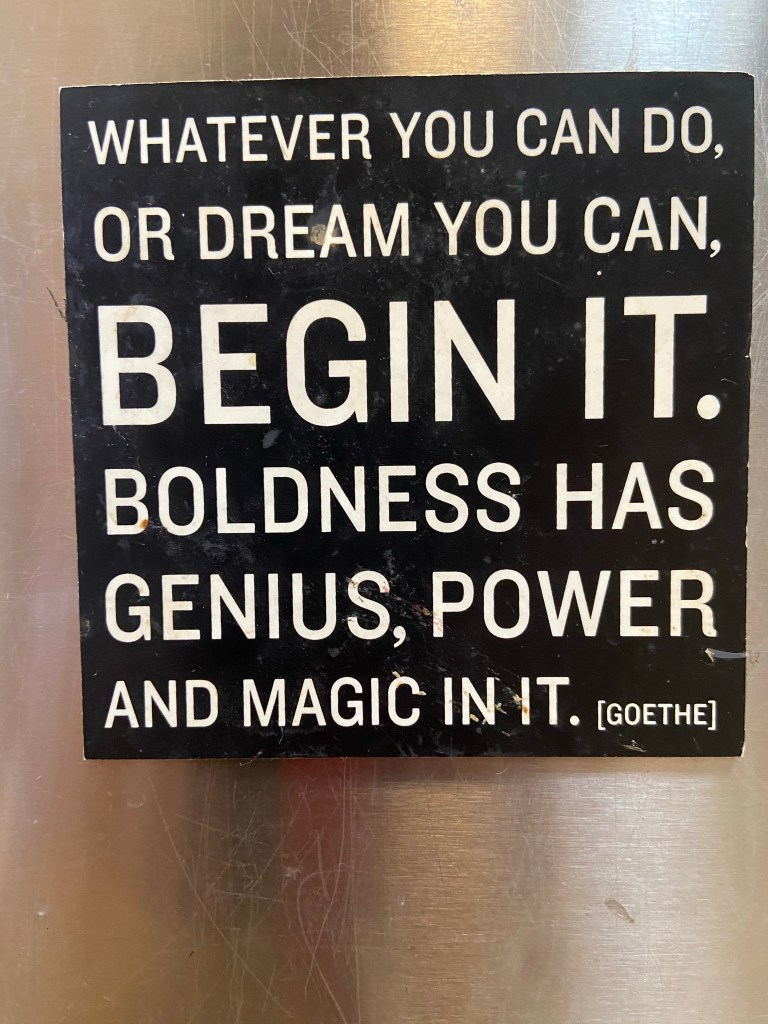
To Risk or not to risk?
The question we all face today and for the rest of our lives is this : to risk or not to risk?
I believe everything we do is built on a foundation of confidence. Whether you’re a student or a master in your field comes down to your confidence in your abilities and experience and … risk to your professional reputation.
I believe that there is an inordinate level of security-mindedness in our modern-day societies. Perhaps We shouldn’t be surprised that in our post 9/11 world, the topic of of risk is a sensitive one.
Prior to the recent covid , in recent history, Scientists have regularly made headlines with warnings about such new risks as (as examples) : bird-flu pandemics and flesh-eating bacteria and old risks like category 5 hurricanes and earthquake-triggered tsunamis.
I believe we live in a world where risk -benefit analysis has become a recognised science… where “risk management “(an area I worked as a senior consultant to multinationals for almost 10 years) … is a popular college major .
It prepares more and more young professionals to work in all manner of industries
But …. here’s the thing …
No matter what safety steps we take or what security precautions we adopt, our risk of death 💀, say, is not approximately – but EXACTLY – 100 percent.
There is no margin of error in that statistic.

Elevated Risk-Taking.
I spent my early childhood in a culture that encouraged risk-taking and … a sense of wonder and mystery… one that did not put more of our trust in technology. One that did not think about increasing regulations whenever something goes wrong.
No … there was a communicated emphasis on community & togetherness. There was purposeful shift towards more trust, more care and more compassion.
Three things I think the world needs more of.
My question is: in our modern-day societies, what impact does people’s abnormally elevated security-mindedness has on people’s willingness to take risks now ? That we are being taught one way (in our educational institutions) …. This is the way I remember doing when I was in year 7. There is nothing extraordinary about it … I’ve been doing that since I was in early secondary school and then we learn it again university and further education . … and in our professional careers.
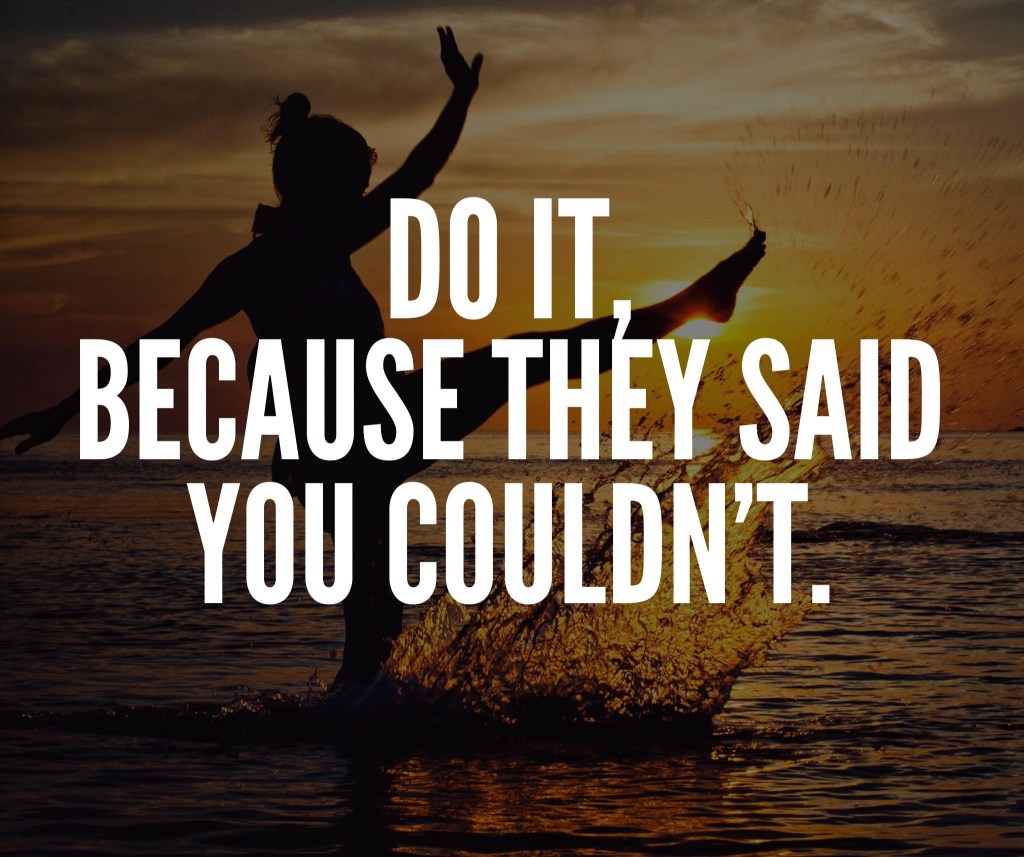
Life itself is a Risky Business.
I think RISK & FEAR has become an increasingly significant word in American lexicon. If you google these 4-letter words … you’ll receive more than a billion references in less than a second.
I believe people are more sensitive to risk today than at any other time in history. So many are kit merely preoccupied with risk & fear … but I think are often downright schizophrenic about the topics.
This anxiety about risk permeates in American society and impacts it in endless ways. Good. Bad. Ugly. And sometimes ridiculous. American society dictate the world’s societies because well, America is the Super Power.
This fear mongering is everywhere and in everything… embedded deep in the psyche of modern-day citizens, many of which are unaware.
For example, It’s why we have surgeons general warnings on every pack of cigarettes. There are just so many examples of this “fear” everywhere … down to even a phrase : “fear setting”.
How did society become so intrigued by fear /risk – and so worried about it at the same time? People forget that Life itself is a risky business. We have heard many parables and/or stories … and most of us know the messages behind these stories.
Question is – do we truly UNDERSTAND?
It’s like the adventurer who was asked why he climbed the mountains and answered, “because it’s there!”
He took the risk. That’s the message… he just DID IT! No FEAR babee!!
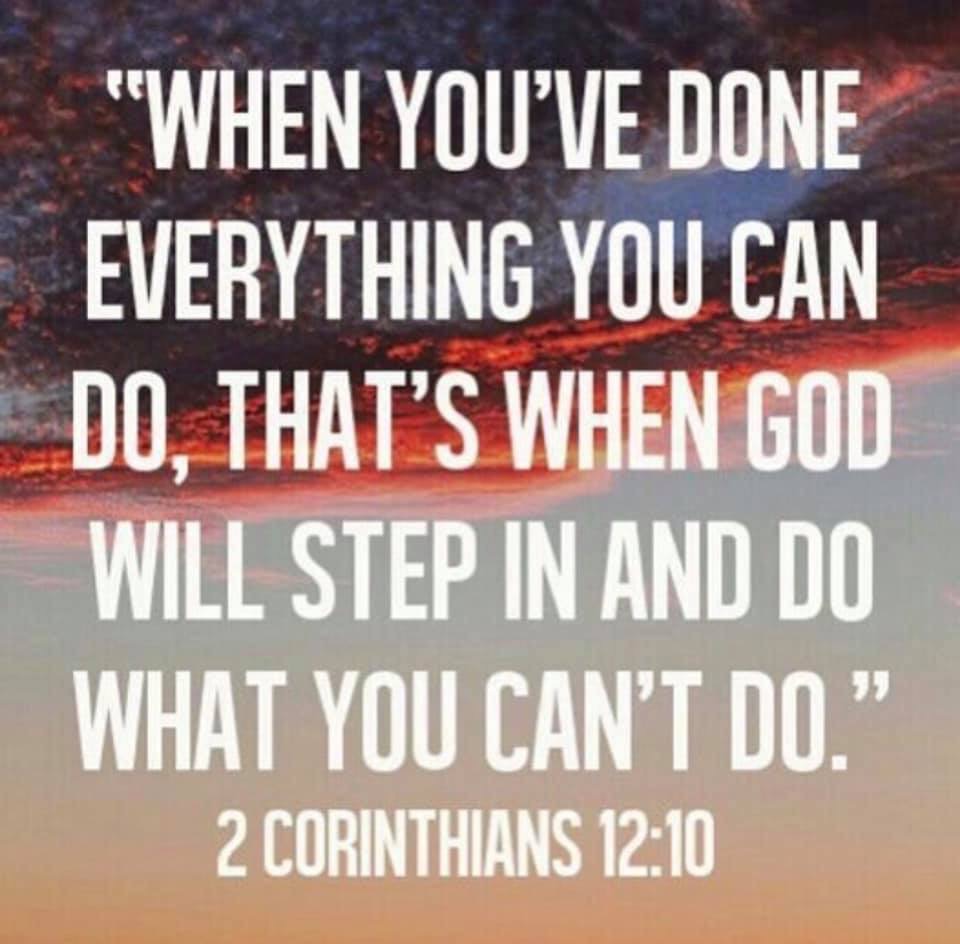
So-called EXPERTS DO NOT always have the last words …
I truly believe the US and many modern societies (Europe and Australia) have cultures that has developed this intense love-hate relationship with risk/fear, in part because it’s always there.
I believe we are seeing a timely and unprecedented convergence of trends and historical & current developments that supports the contention that we (Americans and western societies) are more focused on, and aware of, the risks/fears we face today than any other society In history.
And why?
Well… simply because we can.
People can easily equip themselves (technology) to recognise, understand, catalogue, measure, compare and know more about fears/risks they face than any other society in history.
One truth I’ve learned in my experience in Risk Mamagement is that so-called “experts” (in all fields) DO NOT always have the last word on risk/fears. Sometimes they only add to people’s doubts and confusions about the uncertainties and fears/risks people face in life.
The ratings-driven nature of the media today only further distorts people’s perspectives on the risks/fears they face. As a result of people’s misperceptions, I believe people overrate and worry more than they should. Despite the mind-boggling amount of information available today…. there’s clearly a huge gap between people’s perception of some fears/risks and thee actual magnitude.
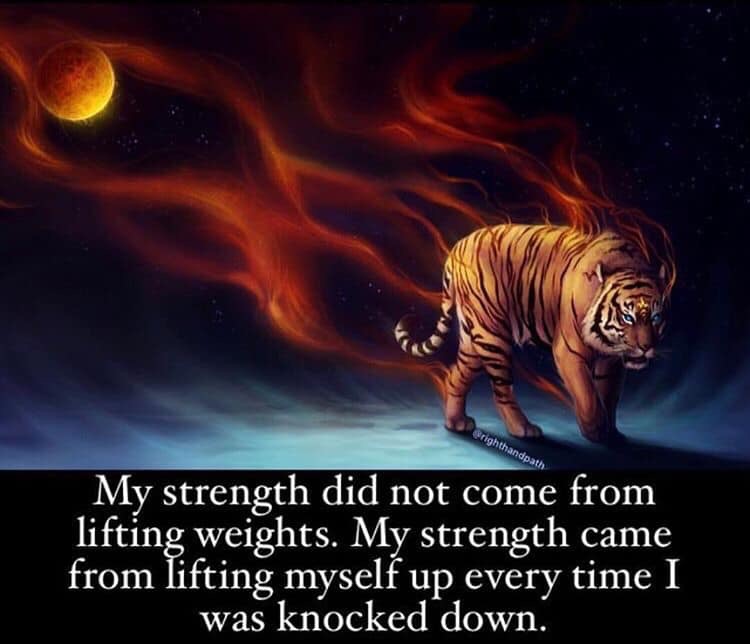
What risks /fears do people really need to worry about?
So another question is: what risks/fears do people really need to worry about?
How in the world does the average person make reasonable and wise decisions about their fears and risks they face when their perspectives on the subject is so often distorted? How does the average person decides what risks are acceptable?
Rather than worrying /reacting to every fear/risk…. what’s more important is the skill at discerning which ones you can do something about.
In other words, the wisdom to know what to worry about and the courage to find solutions to the issues and act on them.
I also believe not all fears/risks are bad.
Very important point: WISDOM is different from, and often more critical than, KNOWLEDGE.
In fact, I believe that too often, all information we’ve been given, all the risks/fears we’ve encountered and contemplate.. & all the warnings people receive from so many sources actually combine to skew people’s perceptions.
So, what hope s is that EFFECTIVE Risk Analysis and decision-making becomes MORE difficult rather than less.
So… back to my previous entry – instead of losing ourselves in all the knowledge before us and sliding into more worry, people should exercise more wisdom.
I think it was Teddy Roosevelt who once declared-
“Far better is it to dare mighty things than to rank with those poor spirits who neither enjoy much nor suffer much.”
I’m convinced most of the success I’ve experienced in my life so far and the majority of my personal and professional accomplishments over the years is from a practical formula I developed and used from my early childhood.
I have helped thousands overcome their fears using this formula … and
It hasn’t failed me yet.
It has never failed.
Want to know the “fail-proof” method I use? Get in touch with me.
Until next time,
Keep punching…. Don’t stop believing… most importantly , in –
YOU!
P.



You must be logged in to post a comment.